
This article was originally published in English on the World Maritime Academy website: https://e-wma.com/african-maritime-cabotage/
INTRODUCTION
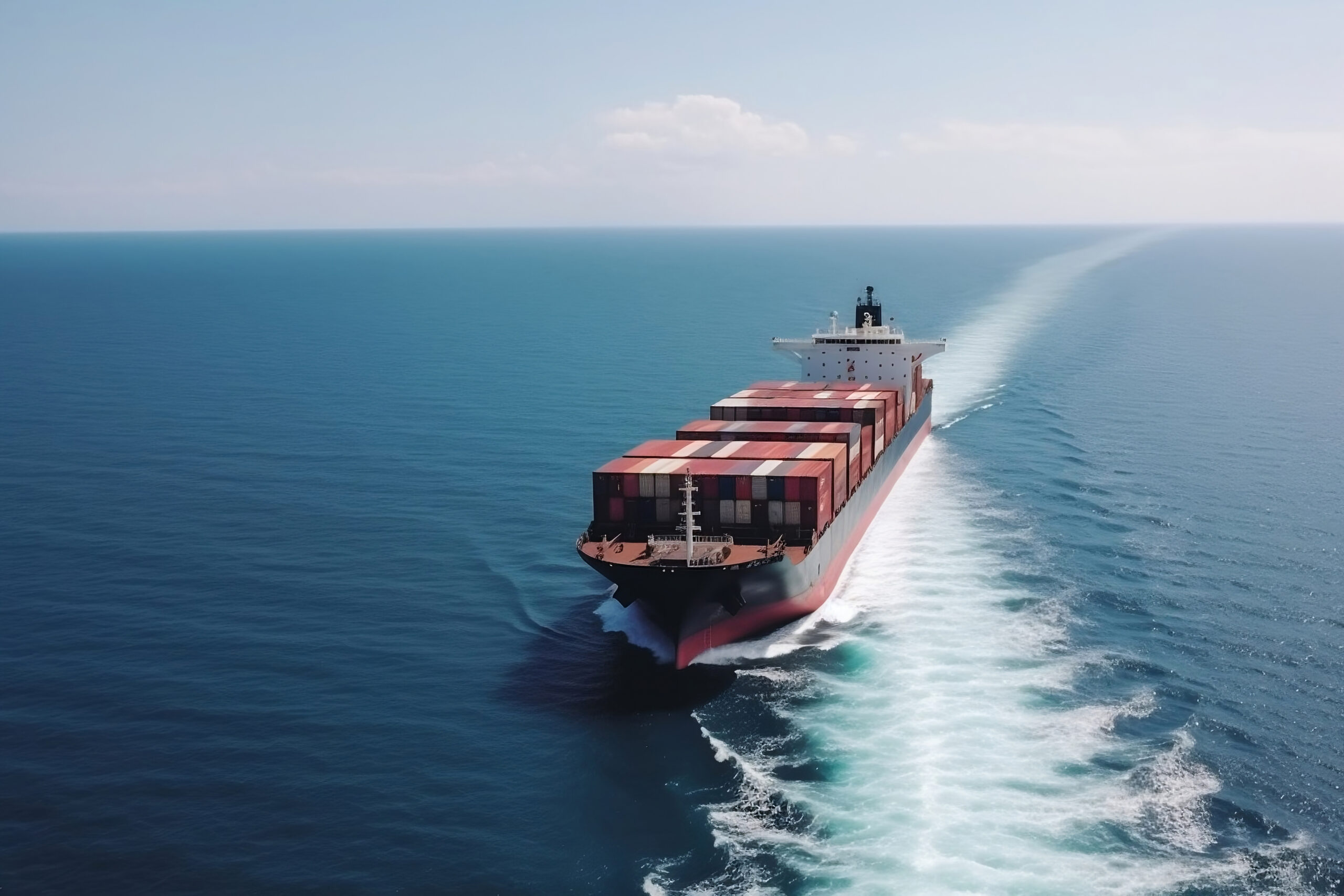
Maritime transport is the main means of transporting goods to and from African countries with a coastline. These goods, whatever their characteristics, volumes or sizes, are transported by ships belonging to large foreign shipping companies that serve African ports.
This dependence on foreign shipping companies, which have the means and the transport capacity for intra-African transport, raises a number of concerns, in particular: the autonomy and economic sovereignty of African countries, regional connectivity, high transport costs, long transport times, and so on.
In order to remedy these problems, it is imperative that an African Maritime Cabotage (AMC) system be put in place.
In the early days of navigation, cabotage was the safest way for ancient sailors to go from port to port without losing sight of the coast (https://leshorizons.net/cabotage/).
Maritime cabotage, also known as Short Sea Shipping (SSS) takes place along the coast of a continent or between islands.
According to the EU, Short Sea Shipping is defined as “the movement of cargo and passengers by sea, between ports situated in geographical Europe or between those ports and ports situated in non European countries having a coastline on the enclosed seas bordering”. Moreover, Short Sea Shipping activity includes “the domestic and international maritime transport, including feeder services along the coast, to and from the islands, rivers and lakes. The concept of short sea shipping also extends to maritime transport between the Member States of the Union and Norway and Iceland and other States on the Baltic Sea, the Black Sea and the Mediterranean.” (https://www.shortsea.gr/en/nma/)
In Africa, however, the concept remains non-existent. In this article, the author attempts to sketch out a definition of African Maritime Cabotage (AMC) as “the carriage of goods and passengers by sea between ports located in the same African country, within an African sub-region, an African region or the African continent, not forgetting the African islands“.
Although this African Maritime Cabotage system does not yet exist, it is of crucial importance for intra-African trade and Africa’s economic growth.
Africa’s share in world trade stands at about 3% on average, while intra-African trade averages around 10 percent of Africa’s total trade. (2050 Africa’s Integrated Maritime Strategy (2050 AIM Strategy®) – AU, Version 1.0, 2012 – accessed on October 29, 2023)
The introduction of African Maritime Cabotage would have many advantages for the continent, including job creation, development of our maritime economy, economic independence, additional sources of revenue for governments, attractive (low) transport costs for shippers, etc.
- JOB CREATION
The introduction of African Maritime Cabotage would create a large number of jobs, both in the maritime transport sector and in related activities such as shipbuilding and repair, insurance and brokerage, etc. The jobs thus created would help to reduce unemployment and strengthen the skilled labour force in Africa. The jobs thus created would help to reduce unemployment and strengthen the skilled workforce in Africa.
- DEVELOPING THE MARITIME ECONOMY
Setting up an African Maritime Cabotage would encourage the construction and development of African shipyards, which are virtually non-existent, and an African naval fleet.
African owned ships account for about 1.2% of world shipping by number and about 0.9% by gross tonnage. (2050 Africa’s Integrated Maritime Strategy (2050 AIM Strategy®) – AU, Version 1.0, 2012 – accessed on October 29, 2023)
Shipyards and ships are not the only SSS-related activities that would promote the development of our maritime economy. Their contribution to the turnover of the insurance, brokerage and transit sectors, for example, will also promote the development of our maritime economy.
- ECONOMIC INDEPENDENCE
By reducing dependence on foreign shipping companies, the AMC would strengthen the economic independence of African countries, enabling them to take autonomous decisions on trade and transport.
- ADDITIONAL SOURCES OF REVENUE FOR GOVERNMENTS
African Maritime Cabotage would generate additional revenue for governments. Taxes, customs duties, port dues, fees for port and maritime services, and other sources of revenue would contribute to public finances, strengthening the ability of states to invest in development projects.
- ATTRACTIVE (LOW) TRANSPORT COSTS
African Maritime Cabotage would reduce transport costs for shippers, making trade more affordable and competitive. This would encourage trade and economic growth.
- RESPECT FOR THE ENVIRONMENT
Maritime cabotage is considered to be environmentally friendly, as it would reduce pressure on land-based infrastructures and mitigate greenhouse gas emissions. In addition, the introduction of the AMC could encourage the construction and development of African fleets with environmentally-friendly ships using environmentally-friendly propulsion technologies, such as diesel or electric propulsion.
The African Maritime Cabotage system would also facilitate connectivity between African nations, stimulate economic development and consolidate trade relations across the continent.
CONCLUSION
In conclusion, African Maritime Cabotage represents a significant opportunity for Africa. By promoting job creation, the development of the maritime economy, economic independence, revenue for governments, competitive transport costs and respect for the environment, this system is crucial to the continent’s development. The AMC would also facilitate connectivity between African nations, stimulate economic development, and consolidate trade relations across the continent. The establishment of such a system is imperative for Africa’s future and the realisation of its full economic potential.
 By Pascaline Odoubourou, Specialist in Port and Maritime Management